
City Cast Philly logo

The Salvation Army’s Roots in Philadelphia

Posted on December 13, 2024   |   Updated on September 30, 2025
Ava Wojnowski

Ava Wojnowski

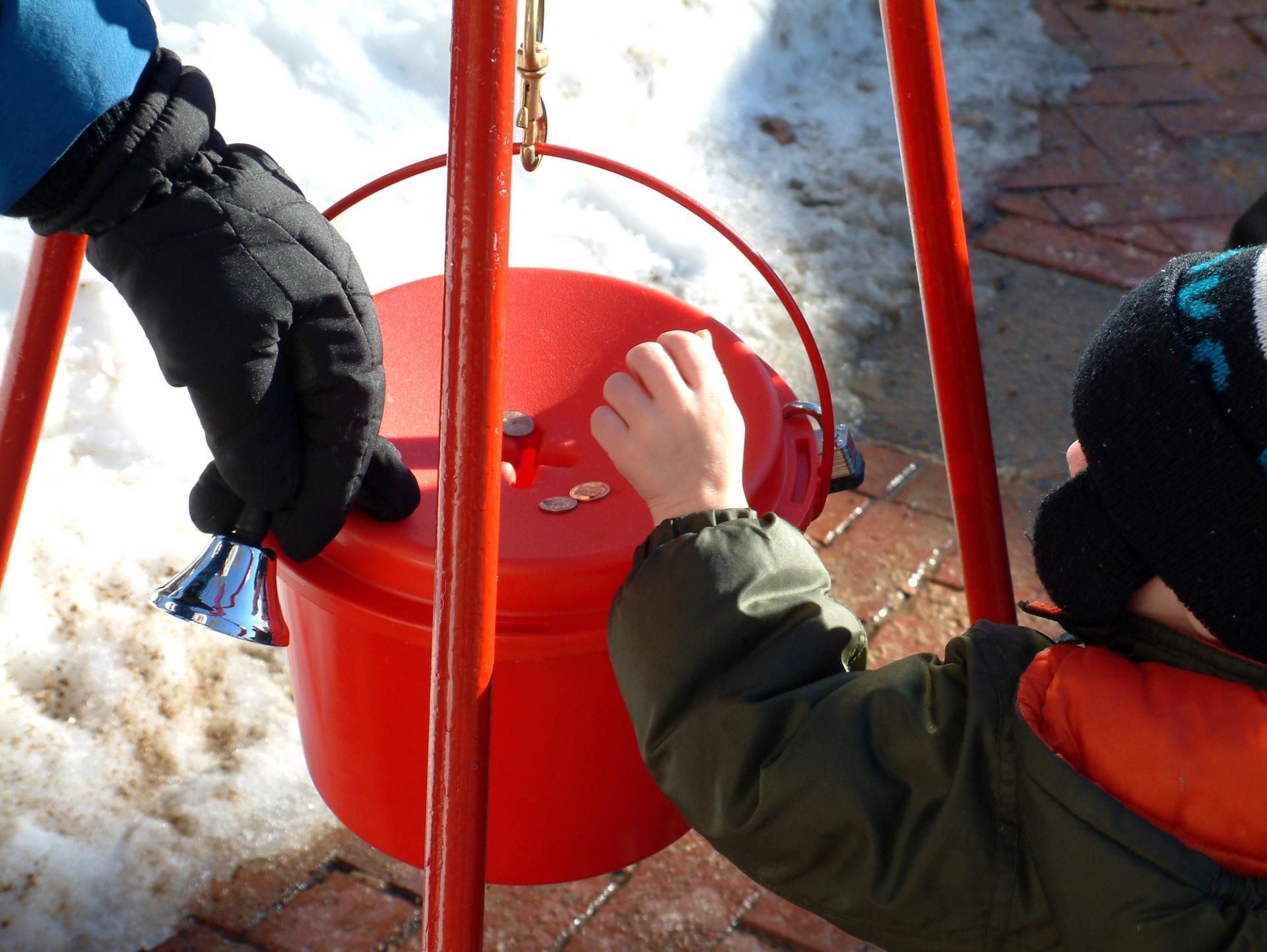
A donation bucket for the Salvation Army.

On street corners through the holidays, it’s not uncommon to see “red kettles” accepting donations for the Salvation Army. (Getty Images / Jsmith)

It’s 1852 in England. William Booth, who previously worked as a minister, has left his work in the church to bring his gospel and aid directly to those in need. This shift in focus laid the foundation for what would become the Salvation Army. So, why am I writing about this in Hey Philly? Because the first Salvation Army mission in the United States was right here in Philadelphia. Let’s take a closer look at its history in the City of Brotherly Love and Sisterly Affection.

The Salvation Army made Philadelphia its first American location in 1879. Eliza Shirley, 17 years old at the time, was selected to lead this effort, and she later convinced the Salvation Army to send more workers here because, like any large city in Britain, Philly was filled with people who needed help and guidance.

In the ensuing decades the Salvation Army played a pivotal role in providing aid, especially during the Great Depression. In Philadelphia, the city used firehouses as makeshift centers to reach more of the community and those in need.

Today the Salvation Army has 13 locations throughout the Philadelphia area, providing services like housing, food, and support. Around the holiday season, its efforts ramp up, hosting events like a toy drive. If you’re looking for a way to give back this holiday season, the Salvation Army is always looking for volunteers.

see more:history

Share article

Hey Philly

Stay connected to City Cast Philly and get ready to join the local conversation.

Can't subscribe? Turn off your ad blocker and try again.

Philly History

See All
Philly HistoryJune 15

A Dive Into the Musical Impact of The Mann and Dell Music Centers

As the Highmark Mann Center for the Performing Arts celebrates a milestone on the cusp of the country's semiquincentennial, we look back...

Concertgoers sit outside at the Mann
Philly HistoryJune 8

How the Phillies Helped Found the Nation’s First Professional Soccer League

The short-lived team was an effort to fill baseball stadiums during the offseason.

A newspaper clip centered on an orange background
Philly HistoryJune 1

The First Successful Sit-In for LGBTQ+ Rights Was in Philadelphia

The act of civil disobedience against discrimination occurred before the more widely known Stonewall Riots, which are considered the cata...

A marker at the former 17th Street location of Dewey’s stands at 219 S. 17th St. (Siani Colón / City Cast Philly)
Philly HistoryMay 19

Who Is Ona ‘Oney’ Judge?

A new holiday honors one woman’s brave escape to freedom even as there are efforts to erase that history.

Names on a stone wall: Austin, Paris, Hercules, Christopher Sheels, Richmond, Giles, Oney Judge, Moll, Joe
Philly HistoryMay 7

How Philly’s Fairmount Park Came To Be

Starting with just a large hill that left William Penn in awe, Fairmount Park is now the largest landscaped urban park in the world.

Archival photo of Boathouse Row and Fairmount Water Works along the Schuylkill River
Philly HistoryMarch 17

How St. Patrick’s Day Started in Philly

Philadelphia’s annual parade celebrating Irish culture just happened on Sunday, a tradition dating back over 200 years.

Boathouse row lit with green lights along the Schuylkill River at night
Philly HistoryMarch 9

Where To Celebrate Women’s History Month in Philly

Honor the women whose contributions impacted not just Philly, but the nation, on these tours throughout March.

A mural of abolitionist and suffragist Frances E.W. Harper and other figures on the side of Greene Street Friends School in Germantown. (Siani Colón / City Cast Philly)
Philly HistoryMarch 2

Why We Celebrate Women’s History in March

International events, such as International Women's Day, may be why we celebrate women's history in March in Philadelphia.

Shirley Chisholm, the first Black woman to run for U.S. President, photographed in 1968. (Bettmann / Getty Images)