|
| What Philly's Talking About |
| School District Budget Means Schools May Lose Teachers | The Philadelphia Board of Education passed a controversial $4.6 billion budget, with cuts aimed at addressing the district’s $300 million deficit. The superintendent says no staff will be laid off but instead reassigned, resulting in some schools losing climate staff, teachers, and counselors. [Chalkbeat] | | | SEPTA Approves Bus Network Redesign | SEPTA’s board approved a budget that paves the way for a new bus schedule with more frequent service on fewer routes. It will also debut two new bus routes. Phase I of the transition will begin in August. [WHYY] | 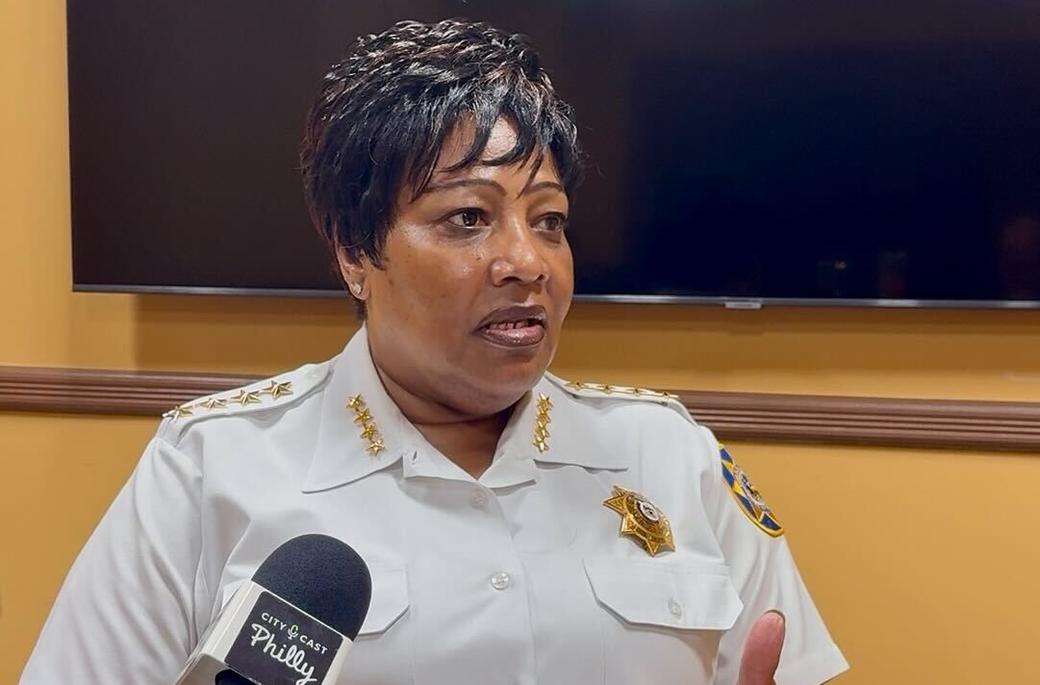 | Sheriff Rochelle Bilal in an interview with City Cast Philly last May. (Matt Katz / City Cast Philly) |
| Sheriff’s Office Faces Years of Accusations With Limited Consequences | The Sheriff’s Office has long struggled with corruption, and in the past six years, accusations of missing firearms, slush funds, and failing to do the office’s basic functions have not helped to shake that image. Despite all these scandals, Sheriff Rochelle Bilal is protected by the top dogs in Philly politics. Why? [The Philadelphia Citizen] | | | Could Philly Voters Have More Choice at the Polls? | City Council passed a resolution last week in support of ranked choice voting, which allows voters to rank candidates on the ballot by preference (first, second, third) rather than selecting only one candidate. Philadelphia would need state approval before changing the city’s electoral method. [Philly Voice] |
|
|
|
| | | Ahead of America’s 250th birthday celebrations, this massive, day-long event features 15+ brand-new TED Talks examining the past, present and future of modern democracy in the city where it started. Use code CITYCASTPHILLY for 15% off tickets. |
|
|
|
| The First Successful Sit-In for LGBTQ+ Rights Was in Philadelphia |
| 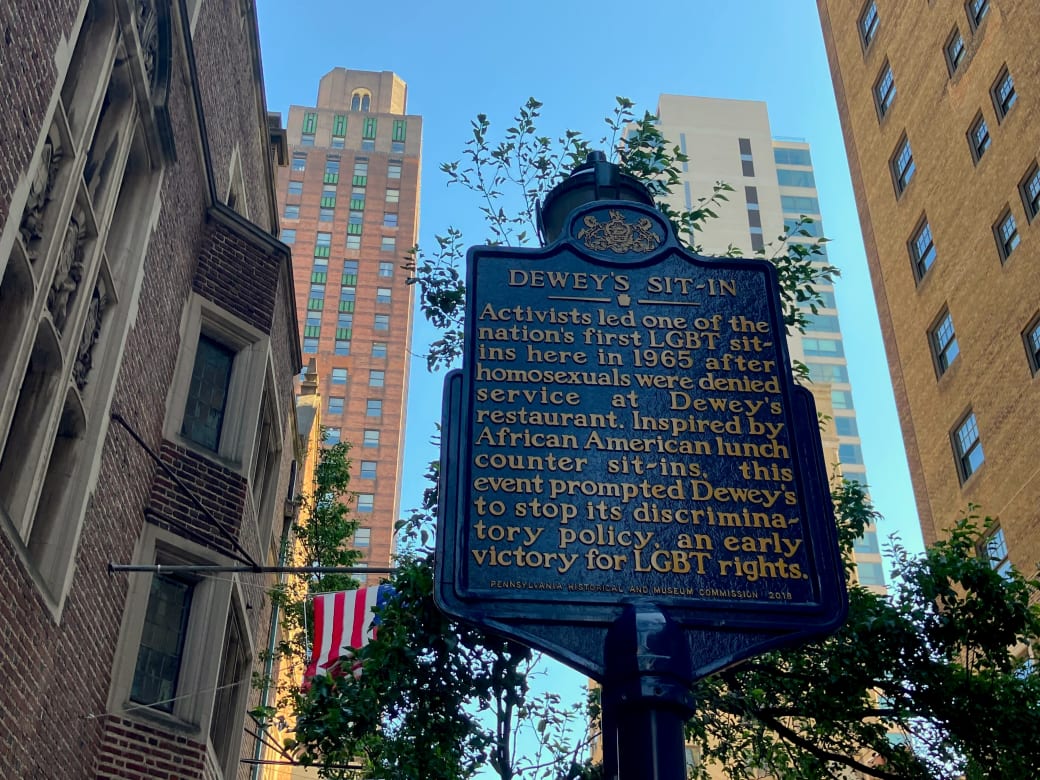 | A marker at the former 17th Street location of Dewey’s stands at 219 S. 17th St. (Siani Colón / City Cast Philly) |
| In 1965, Philadelphia was at the center of one of the earliest wins for the LGBTQ+ community. | | At a time when gay and transgender people were considered unwelcome in many establishments, they found communal spaces to make their own, like at coffee shops such as Dewey’s. Two of the diner chain’s locations, on 13th Street and 17th Street, became central gathering spaces. While the one on 13th embraced its clientele, managers on 17th Street did not. | | In April of 1965, management, blaming “rowdy teenagers,” instructed Dewey employees at the 17th Street location to refuse service to “homosexuals and persons wearing non-conformist clothing.” | | And so on April 25, taking inspiration from the civil rights movement’s lunch-counter sit-ins, more than 150 protesters of all backgrounds staged a peaceful sit-in at Dewey’s and were denied service. Police came and arrested three teenagers who refused to leave. Clark Polak, president of the Philadelphia-based homophile organization The Janus Society, was also arrested. All were charged with disorderly conduct. | | After the arrests, the Janus Society distributed 1,500 flyers to passersby informing them of Dewey’s policies and patrons’ legal rights if they protest and are arrested. Protests continued for the next five days. | | On May 2, a second sit-in was staged. When protesters refused to leave, the police were once again called to the restaurant. After speaking with demonstrators, the Philadelphia Police decided not to take further action and left. Polak, recounting the interaction, said that police told him that “we could stay in there as long as we wanted as the police had no authority to ask us to leave.” | | Seeing this as a victory, protesters stayed for another hour before leaving. The Janus Society reported in its publication Drum magazine that the sit-in accomplished all of its objectives, including “to bring about an immediate cessation to all indiscriminate denials of service.” | | Dewey’s would reverse its policy, and as the restaurant changed hands in later years – becoming the popular diner Little Pete’s – it continued to be a haven for the LGBTQ+ community. | | Two months after the original Dewey’s protests, the first Reminder Day picket outside of Independence Hall was held. |
|
|
|
|
|
|





