City Cast Philly logo

Should we be worrying about radon in Philly?

Posted on January 23, 2025   |   Updated on January 28

Siani Colón

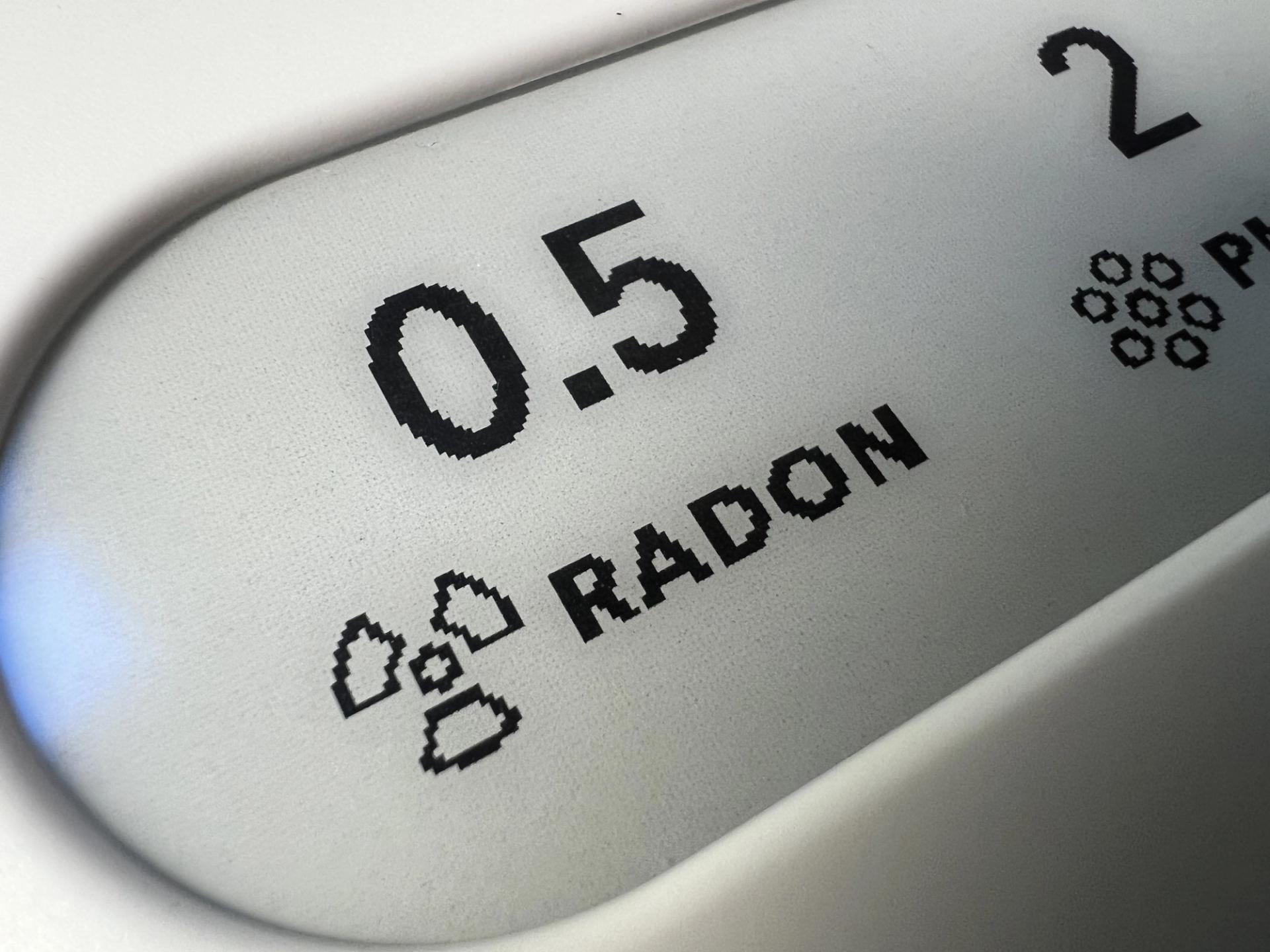
A white air quality monitor indicates a radon level of 0.5

A screen on an air quality monitor in Lafayette, Ca., indicating the radon level. (Gado / Getty Images)

January is National Radon Action Month, when the U.S. Environmental Protection Agency encourages residents to test their homes for the gas. In Pennsylvania nearly 40% of homes have radon levels above the EPA’s guidelines. But what exactly is radon and why does it matter?

What is radon?

Radon is an odorless, tasteless, radioactive gas. According to the World Health Organization, radon is produced by the decay of uranium, which is found in rocks and soils. When radon escapes into the air more radon particles are produced as it decays further, contaminating airways. It can enter inside buildings through cracks in the foundation. While radon concerns are primarily airborne, it has been found in drinking water as well. Pennsylvania’s geology, climate, and natural gas wells contribute to radon’s presence in the state. Research has also linked fracking to the increase of the gas in homes.

Why can radon be dangerous?

Because of the gas’ odorless, tasteless nature, it may be difficult to identify whether your home or building is contaminated with radon. Radon is the second leading cause of lung cancer behind smoking, according to the American Lung Association. If you smoke and are also regularly exposed to radon, that puts you at even greater risk of lung cancer. About 21,000 people who were exposed to radon die from lung cancer each year, including 2,900 who were nonsmokers. Radon levels measured above 4 picocuries per liter (pCi/L) are considered cause for concern.

How much radon is in Philadelphia?

This map of radon zones identifies which Pennsylvania counties have the highest potential for radon risk. Philadelphia is designated as Zone 3, the lowest risk level, while surrounding Bucks, Montgomery, Chester, and Delaware counties are Zone 2. The EPA still emphasizes individual testing of buildings for radon risk, no matter the zone designation.

You can use this tool to check the reporting of radon levels by ZIP code. For example although the average level of radon inside basements in the 19134 ZIP code (Kensington, Port Richmond) was recorded at 1.9 pCi/L, the max result was 112.4 pCi/L, way above guidelines.

How can I protect myself?

There are several measures you can take to protect yourself from radon:

  • Request a free test kit from the American Lung Association, or purchase a test kit from a hardware or home improvement store.
  • Find certified testers through the state’s Department of Environmental Protection.
  • If high levels are confirmed in your building, hire a professional to seal any cracks and install a radon mitigation system.
  • Join the Reducing Outdoor Contaminants in Indoor Spaces' next Low Cost Monitoring Project cohort. Although it primarily targets Southwestern Pennsylvanians, ROCIS accommodates a limited number of Pennsylvanians outside that region.
see more:public health

Share article

Hey Philly

Stay connected to City Cast Philly and get ready to join the local conversation.

Can't subscribe? Turn off your ad blocker and try again.
Advertisement image

Philly, Explained

See All

The latest in Philly

Sponsored

Moving to Philadelphia? What to Check Before You Pick a Neighborhood, Book a Truck, and Sign a Lease

With this guide, you can move to Philadelphia, move from another place to Philadelphia, or just see if living in Philadelphia fits your d...

Wellknown Moving Company Logo
Keep It LocalAugust 6

The Only Thing Better Than Coffee? Coffee With Plants

Here are our favorite Philly spots where you can get your caffeine fix and your plant fix in one trip.

A display of plants in ceramic pots inside Artesano Cafe in Manayunk.
Keep It LocalAugust 6

This Plant and Coffee Shop Serves One of Philly's Most Unexpected Menus

Inside both locations of The Ground, you’ll find a variety of tropical houseplants with diverse light options.

Six open-faced toasts from The Ground Rittenhouse served on white plates, which sit on a green table surrounded by plants.
Philly's BestJuly 31

How To Spend August 2026 in Philly

The semiquincentennial may officially be behind us, but Philly’s keeping the party atmosphere going through the rest of this summer.

Eight plates of sandwiches with seeded buns of different varieties placed in a circle on a table.
Food & DrinkJuly 30

Your Guide to New Restaurants, Bars & Cafés in Philly

Philly’s local culinary scene is constantly growing and changing. Here’s a recap of some of the restaurants, bars, cafés, and other delic...

Six pastries are laid out on a metal tray with wax paper, a person wearing all black holds the tray with their left hand
Keep It LocalJuly 30

2nd Street Festival Celebrates 16 Years on Aug. 2

Over 40,000 people are expected to experience the three-quarter-mile stretch of Second Street packed with local food trucks, artists, str...

A view of the 2nd Street Festival in Northern Liberties, with hundreds of people in the streets and vendors stationed under white tents along the sides of Second Street.
Keep It LocalJuly 30

Our Favorite Places to Shop in NoLibs

We have a guide to the Northern Liberties shops that deserve a spot on your festival itinerary.

Shelves inside Ray’s Reusables display sustainable products, including empty mason jars, natural scrubbing brushes, bees wrap, stasher reusable bags, chopsticks, metal straws, and laundry bags.
Keep It LocalJuly 23

What Rittenhouse Hardware Does Better Than the Big Box Stores

At Rittenhouse Hardware you can find knowledgeable, attentive staff; parts for older homes that many hardware chains don’t carry; and the...

Rittenhouse Hardware owner Jesse Prager stands in front of the store on the corner of Pine and 20th streets.